What we built, what we learned, and what’s next.
In the rush toward chatbots and AI platforms, many social impact organisations are asking the same question: why invest in websites anymore? As budgets tighten and apps like WhatsApp, Moya, and ChatGPT become the internet for millions, it’s easy to assume the web has lost relevance. But in the Global South, the web remains the foundation for trust, credibility, and accessibility — and the data backbone for every AI system shaping our digital world. Lisa Adams, technologist and founder of Citizen Code, an African-based collective building inclusive digital products for social impact, argues that the web is far from obsolete. Drawing from work with organisations like Girl Effect and UNICEF, she reveals how well-maintained websites continue to anchor digital ecosystems in health, education, and gender-based violence prevention. From AI-enabled chatbots like Big Sis and Wazzii, to low-data web platforms such as Jikizinto and Tukisonga, Lisa demonstrates why accessible, context-driven design is critical for digital equity in emerging markets. In her words, “Chat is the distribution layer, but web is the anchor — it’s where truth lives.”


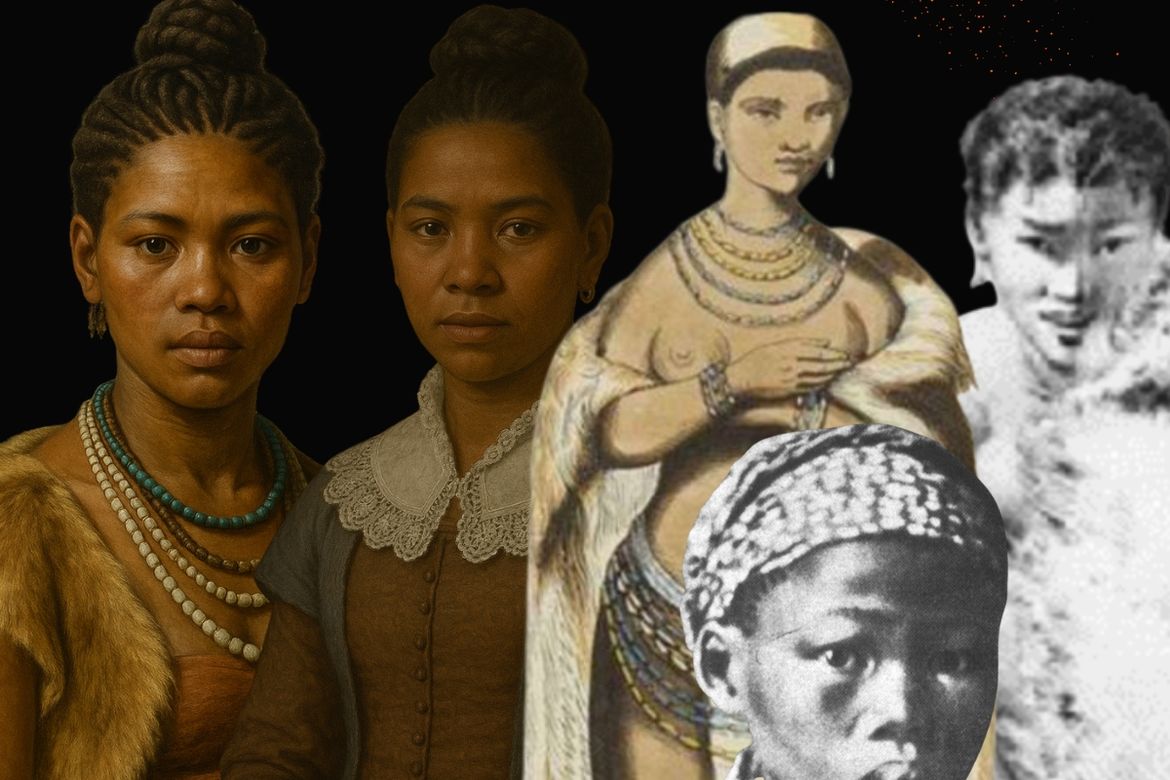
"As technology advances so too do the risks of erasure, paralleled by the opportunities for positive change. Technology is but an extension of society, both its ills and its hopeful resilience. If we replicate existing patterns of silencing, we risk encoding Krotoa’s erasure into our algorithms and platforms — enabling new forms of technology-facilitated gender-based violence."

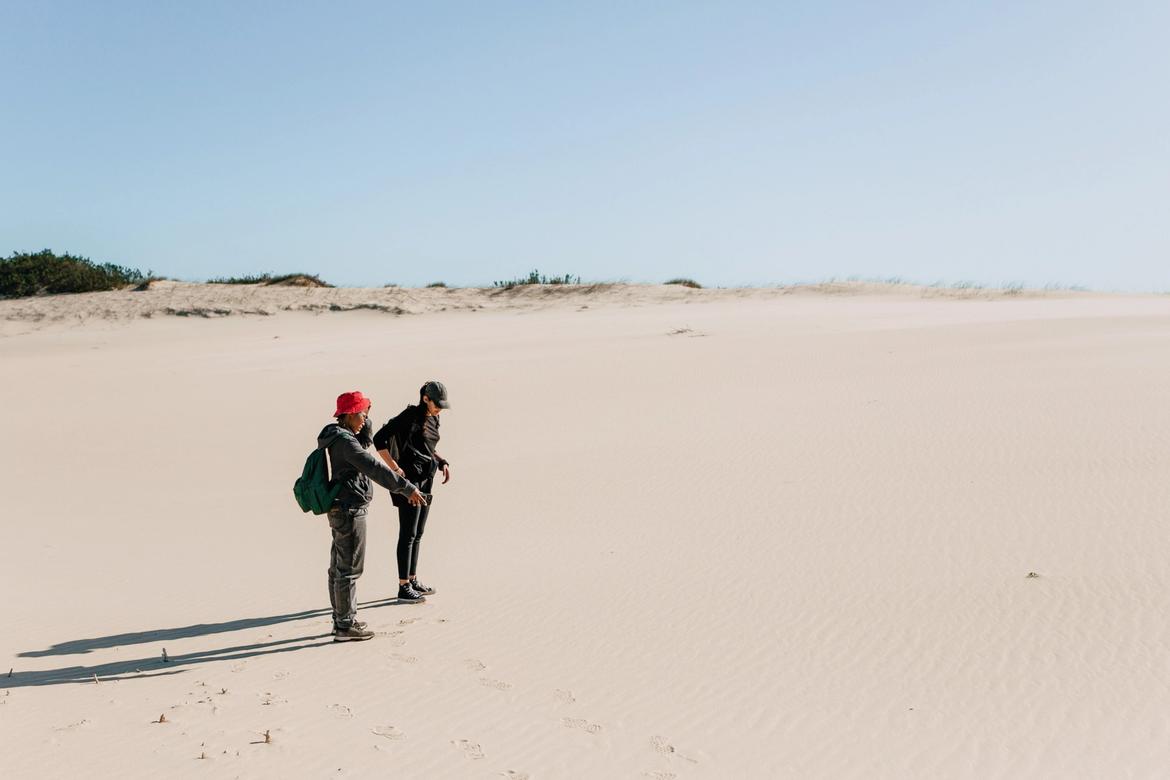
Exploring the evolution of human technology—from stone tools to chatbots—and how our inventions reflect, shape, and challenge our society.
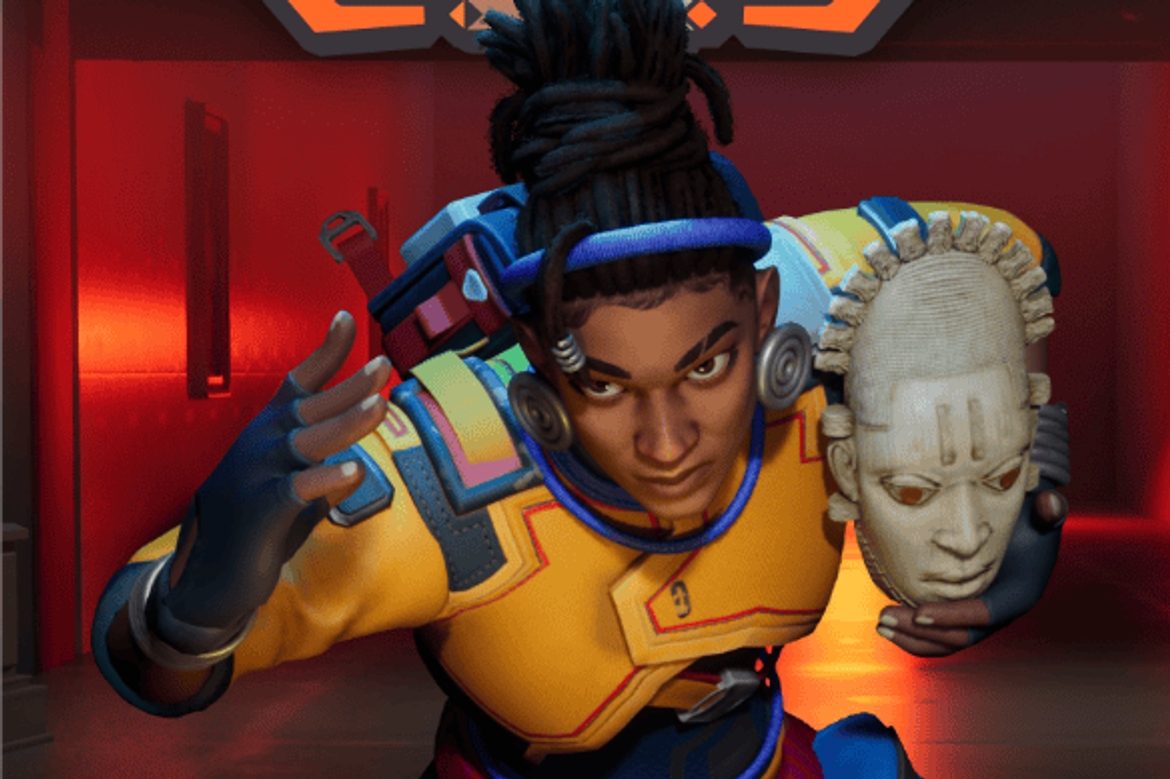
What happens when a South African video game challenges centuries of colonial storytelling? In this piece, archaeologist and paleoanthropologist Lauren Powell explores Relooted, an upcoming game by Nyamakop that turns the traditional "tomb raiding" narrative on its head. Through archaeology, museums, repatriation, and African history, she unpacks how gaming can become a powerful tool for reclaiming cultural heritage, restoring context to stolen artefacts, and reimagining who gets to tell Africa's stories.
The phenomenon of AI Cannibalism, technically known as Model Collapse, refers to a degenerative process that occurs when generative artificial intelligence models begin to be predominantly trained on data produced by other AIs. This feedback loop creates a "curse of recursion," where the nuances of original human information are lost, resulting in a convergence towards a simplified, homogeneous, and often hallucination-filled reality.


The industry prides itself on being fast-paced, proliferating new ideas and constantly shifting, yet it stays rooted in decades-old biases. In this piece I wanted to highlight the women whom I wasn't taught about, connect their absence in history books to present ideologies, and touch on the link between TFGBV (tech-facilitated gender-based violence), gender norms and misogyny.


This year I struggled with the idea of writing a “Happy” International Women’s Day post. Instead, I wrote a longer reflection on our website about the tension many of us are feeling right now. In it, I am interrogating the contradiction between the language of celebration that accompanies International Women’s Day and the realities many women and girls are facing globally and closer to home. I reflect on the violence against girls in Iran, the ongoing suffering of women in Gaza and Sudan, the gender based violence crisis in South Africa, and the ways new forms of harm are emerging through technology such as technology facilitated gender based violence and AI manipulation. Much of my work sits at the intersection of gender justice and digital systems, so these questions are never abstract to me. They sit inside the work I do with organisations responding to GBV, building technology systems, and trying to create safer environments for women and girls. This reflection is not an easy one. It is heavy and uncomfortable in parts, but I believe it is necessary to sit honestly with where we are. Despite everything, I still hold onto the dream I had as a young girl. A society that truly cherishes the safety and upliftment of the girl child. Because when she is safe, educated and supported, the entire community thrives. And despite the heaviness of this moment, I want to acknowledge the women who have worked with me, supported my work and are pushing boundaries in their domains. Allies, collaborators and friends in this work. I hope that together we can build something better, and that next year we might have something different to say.
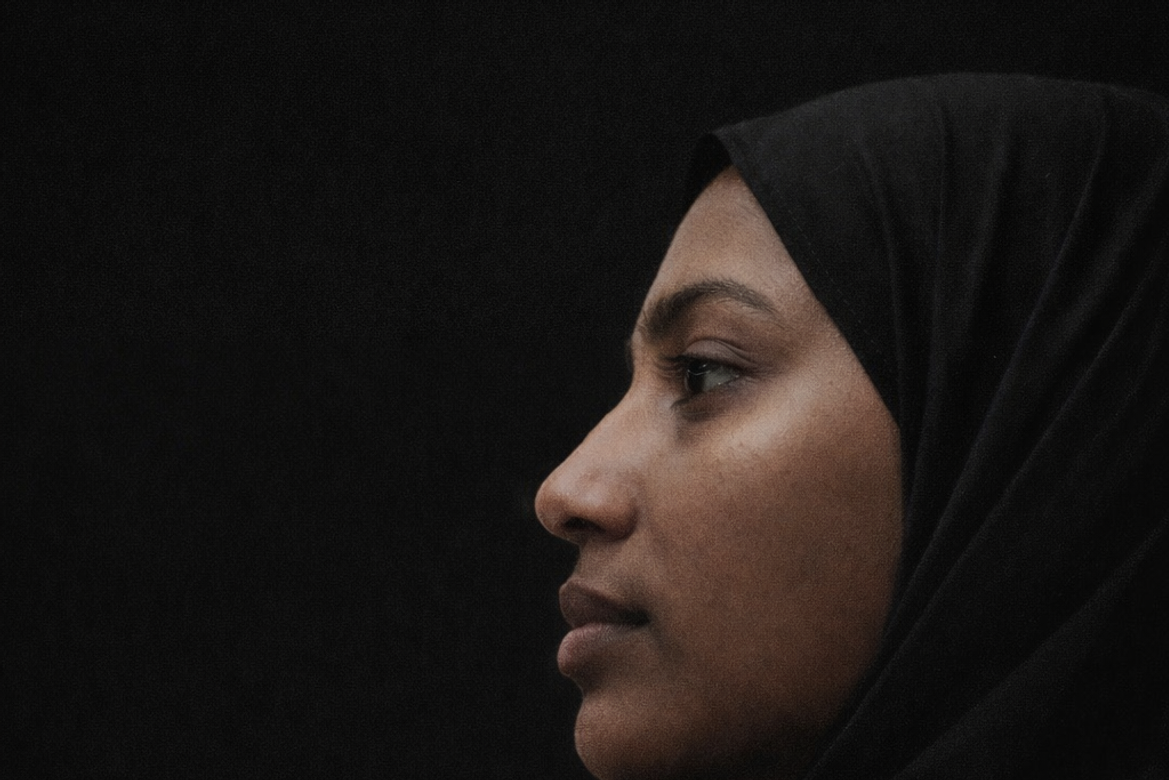
When AI tools remove hijabs from women’s images, it exposes a deeper pattern of cultural erasure and technology-facilitated gender-based violence embedded in modern digital systems.
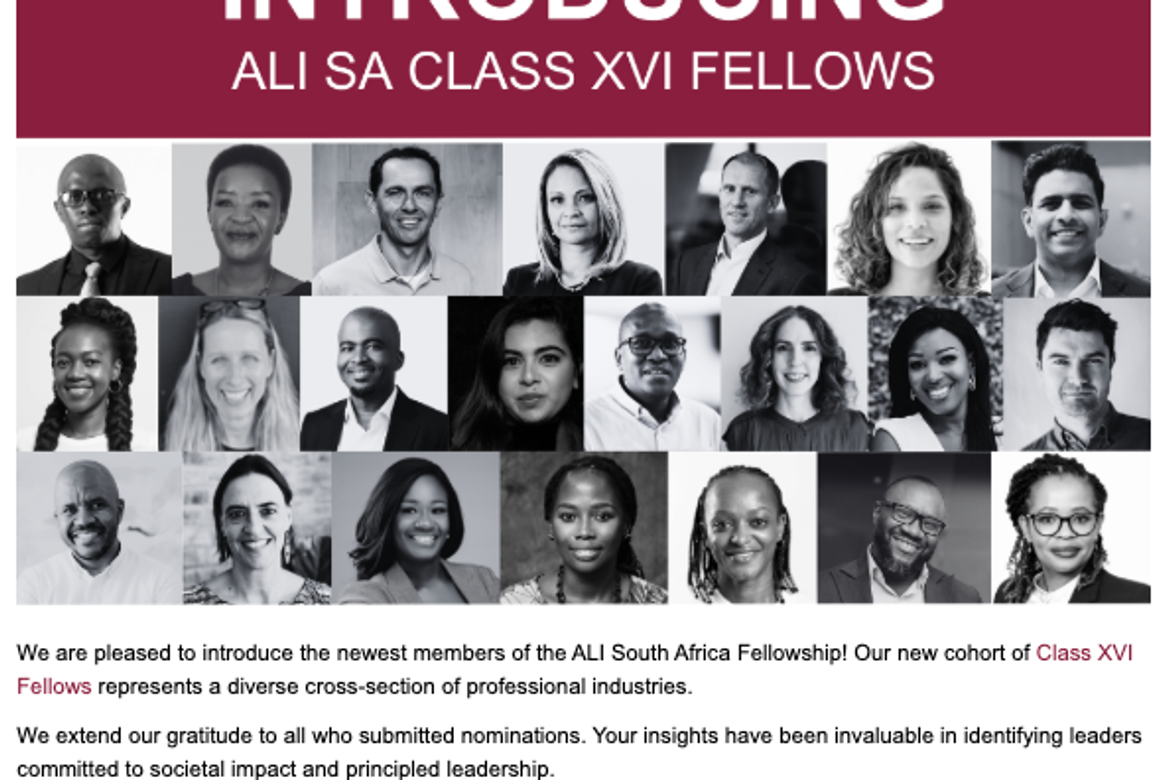
I did not arrive at leadership through a traditional academic route. My path into technology and social impact was shaped by survival, constraint, and necessity. Growing up on the Cape Flats, the systems I learned to fix first were not abstract. They were broken computers, unsafe environments, and fragile moments of refuge. Being selected as one of 22 Fellows of the African Leadership Institute is deeply affirming, not because of the title, but because it recognises alternative pathways to leadership. This piece reflects on how lived experience, practical application, and building under constraint shaped my work, and why bridging practice into academic and institutional spaces is essential for the future of African leadership.
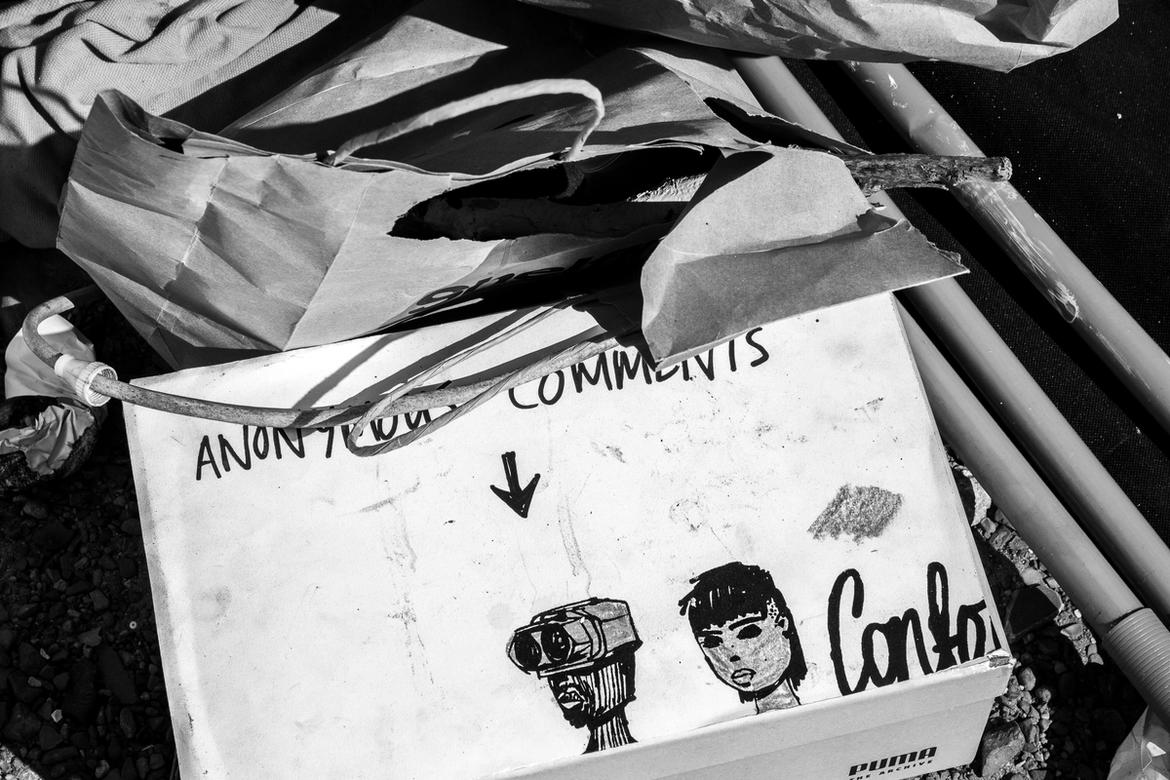
At a school meeting with my teenage daughter, I listened to a digital safety framework called the “Billboard Test,” used to guide young people’s online behaviour. As a technologist designing youth digital platforms, I unpack why fear-based approaches to social media miss how young people actually live, learn, and express themselves online.
In the rush toward chatbots and AI platforms, many social impact organisations are asking the same question: why invest in websites anymore? As budgets tighten and apps like WhatsApp, Moya, and ChatGPT become the internet for millions, it’s easy to assume the web has lost relevance. But in the Global South, the web remains the foundation for trust, credibility, and accessibility — and the data backbone for every AI system shaping our digital world. Lisa Adams, technologist and founder of Citizen Code, an African-based collective building inclusive digital products for social impact, argues that the web is far from obsolete. Drawing from work with organisations like Girl Effect and UNICEF, she reveals how well-maintained websites continue to anchor digital ecosystems in health, education, and gender-based violence prevention. From AI-enabled chatbots like Big Sis and Wazzii, to low-data web platforms such as Jikizinto and Tukisonga, Lisa demonstrates why accessible, context-driven design is critical for digital equity in emerging markets. In her words, “Chat is the distribution layer, but web is the anchor — it’s where truth lives.”
"As technology advances so too do the risks of erasure, paralleled by the opportunities for positive change. Technology is but an extension of society, both its ills and its hopeful resilience. If we replicate existing patterns of silencing, we risk encoding Krotoa’s erasure into our algorithms and platforms — enabling new forms of technology-facilitated gender-based violence."
Exploring the evolution of human technology—from stone tools to chatbots—and how our inventions reflect, shape, and challenge our society.
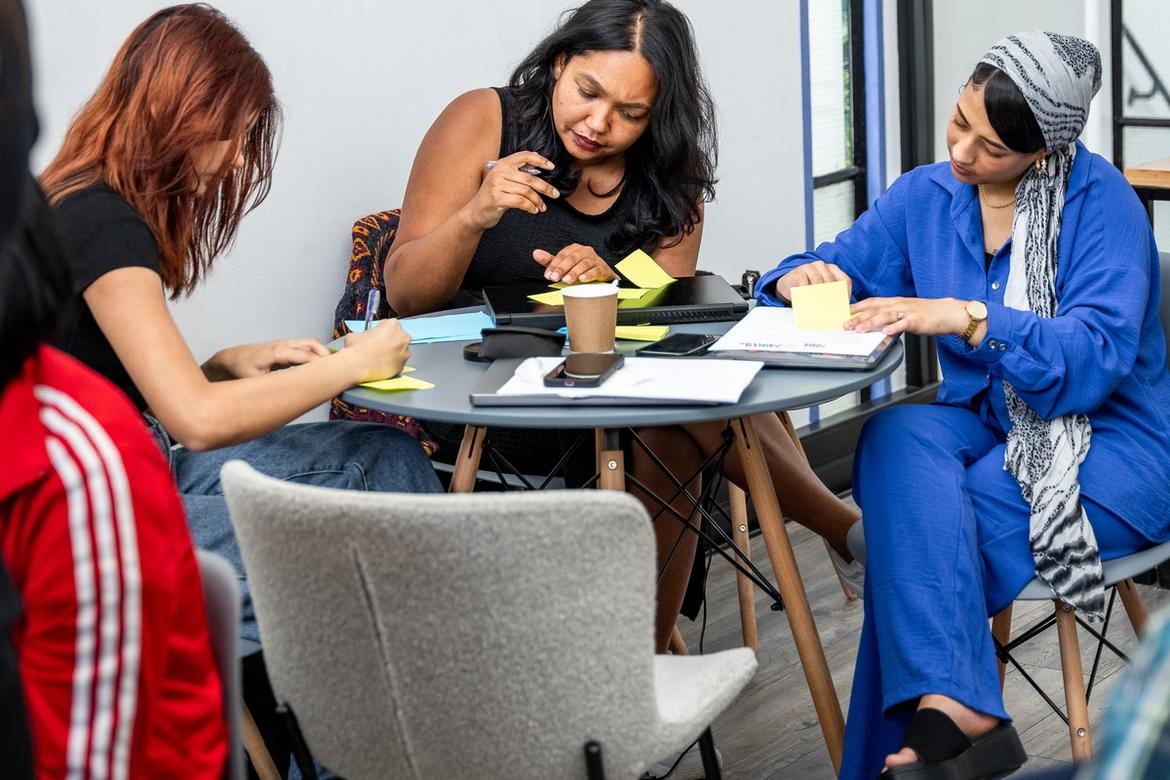
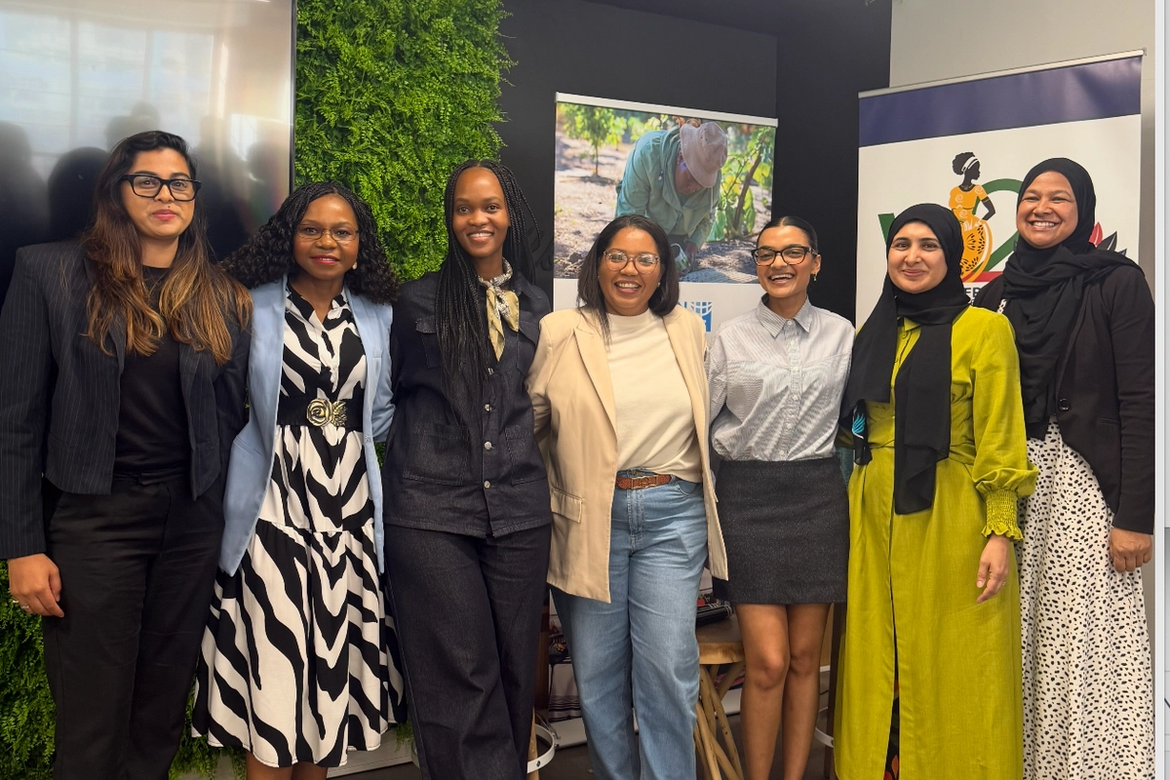
At the W20 panel ahead of the G20, I represented Civil Society in the conversation on the Future of STEM. It was a space of honest reflection, but also a reminder that progress is not just about getting women into the room. True inclusion means women leading, defining, and shaping technology — not only being counted in statistics.
Technology is not just science — it’s art. Citizen Code shares how our story shapes inclusive innovation for Africa and beyond.
What sets us apart.
Partners we’ve collaborated with.
Progress is a collective journey. Let’s move forward together.