Friday, August 29, 2025
Art, Code, and the Stories We Carry

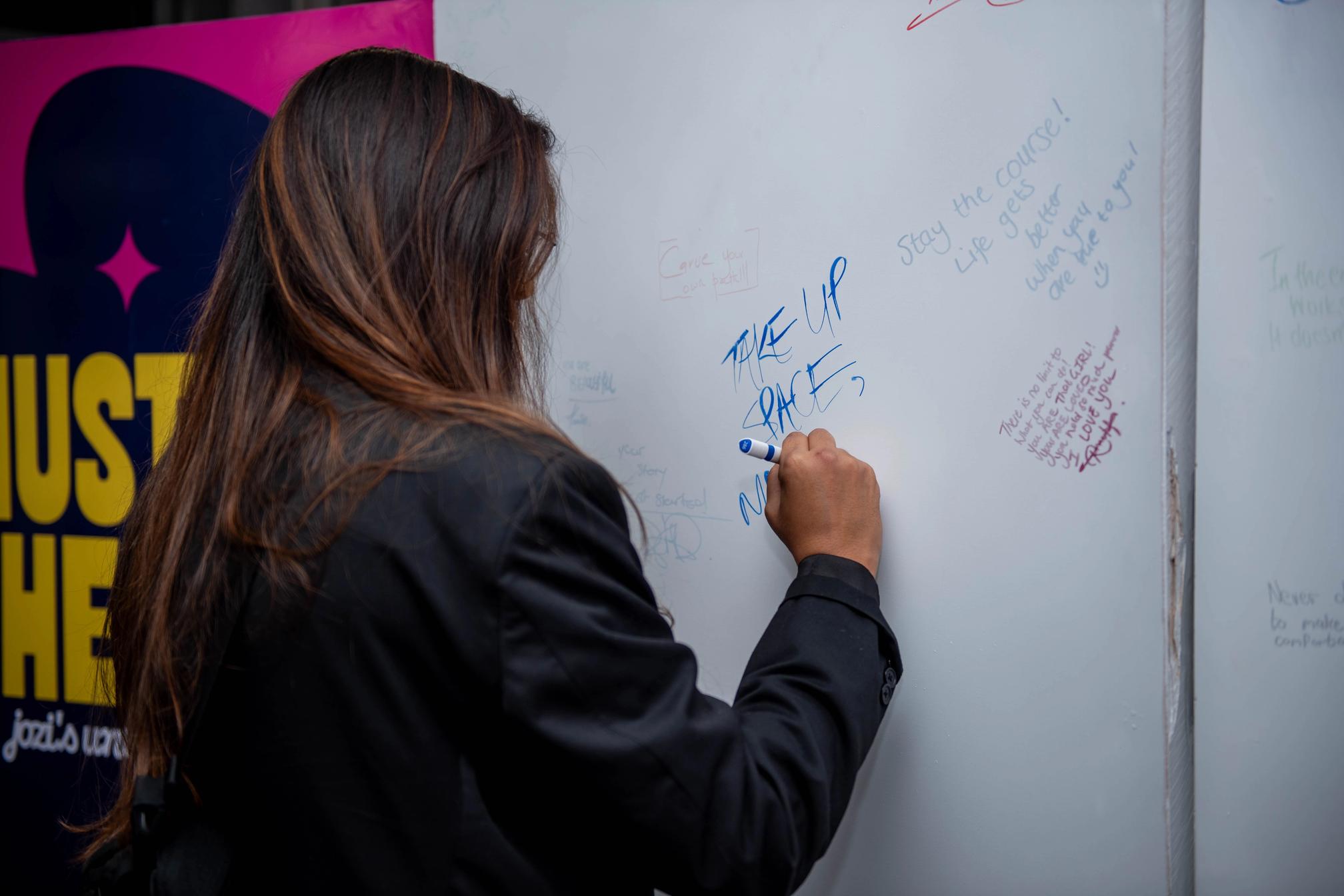
Why Citizen Code sees technology as art, rooted in our lived realities and histories.
Author’s Note: Lisa Adams, Founder of Citizen Code
This piece opens a new chapter for us not just as a tech organisation, but as a community of writers, thinkers, and builders who live at the intersection of code and context.
My hope is that this space becomes a home for our collective voices, especially those rarely heard in global tech circles. In the coming weeks, we’ll be sharing essays from our team and community, beginning with a series on Digital Anthropology and the deeply human work of building platforms in imperfect worlds.
We don’t just believe in accessible technology. We believe in technology that is grounded in accountability, ancestry, and activism. And that belief begins with telling our stories.
Why Citizen Code?
When I ask myself this question, I have never had a sturdy answer. Citizen Code has always been about many things for me. What I do know for certain is that this mission is definitely personal and professional.
I have never quite understood very well how people separate the two. I have never been able to. Everything I have taken on in my career has been personal, informed by my socio-political views, economic status, my environment growing up and the things that both hurt me and brought me the greatest joy as a child.
For a long time I searched for one word that could carry all of my why’s, how’s, where’s. Only one fits:
Art.
I once heard Neil deGrasse Tyson describe the difference between science and art. Science, he said, is about uncovering what already exists and truths waiting to be discovered. Art, by contrast, is created in the moment, something only humans bring into being that did not exist before. Too often, technology has been treated like science as if design is a set of formulas waiting to be found. I see it differently. To me, technology is art: human, contextual, created from lived realities.
This includes our ability to create technology that makes the world safer, to make the human experience of the global majority more visible and to make the world more accessible.
I was born just a couple of days after Nelson Mandela’s release, at the very first step into South Africa’s democracy. They call us the “born free generation”. A bandaid for the legacy of a regime that missed me by a mere flash in time. We were expected to be on the other side of the struggle, running towards opportunity, freedom and equality. But we grew up through the lens of a “rainbow nation”, where the rhythm of inequality changed, but the lyrics remained the same.
I had a clear view of apartheid as a child. My teenage mother and I lived in areas designed by racial segregation and displacement of people of colour. My aunts and uncles were the young scholars, skipping school to rebel against the system that denied them humanity. We had a family member murdered at the hands of an oppressor, we had family friends in exile. We had relatives locked in a prison on an island dedicated to the isolation and punishment of political “threats” in the form of people of colour.
And when apartheid ended on paper, the violence didn’t vanish. I grew up in a community where gangsterism was normal. Woke up to bullets being shot through the window sweeping carefully across the 10 year old bodies that were myself and my cousins’. We grew up around drugs and substance abuse. We knew the local dealers, and our friends became their girlfriends. Drugs were more accessible to us than school fees. We felt safe in our circles because we bonded and traded in trauma. Our dads were either absent or present, and when they were present we wished for their absence. We prayed for our mothers to return to being present, as many of them faded into shadows of themselves from the violence they endured.
We come from very challenging circumstances in these communities, but many things can be true at once. There was also strength in our togetherness, and we learned to practice solutions-based-thinking early. We were neighbourly, and we knew one another. Everyone’s mother was your mother. We learned how to make do with very little so that everyone could get by. We carried empathy for those who lost themselves, and we still showed respect and care. Our mothers passed down narratives of hope. We learned innovation faster than a tertiary education could blink, because survival demanded it. There was love, and there was pain, in abundance.
I used to be so ashamed of where I came from and how it would disqualify me from being an acceptable “Technologist” of influence.
I no longer am. It is our greatest strength.
My ‘why’ is complicated, but it is definitely art. I see the beauty in the canvases we paint towards a safer society, and the beauty and equal necessity in sharing the brush with the people who live in these realities.
Code, too, is art. It is not just the sequencing of logic and maths, nor a discipline cut off from creativity. It is a remembering — a bridge back to what our ancestors already carried in their ways of patterning, storytelling, and invention. It was never our minds that were divided, but the colonial systems that taught us to believe they were.
When we bring back the wholeness of logic braided with creativity, ancestral-knowing braided with modern code then we begin to see that everyone is already a technologist. Innovation is not foreign; it is rooted in our humanness. And when we reclaim that truth, we can build a technology-forward society that liberates itself rather than waits to be liberated.
That's my ‘why’, I love art and Citizen Code is the art of documenting our story as innovators. This time, we get to write our own solutions and our own histories.
And this blog is part of that canvas. It begins with my story, but it will carry many others. Each post is another brushstroke from those who are building, resisting, and imagining. Together, these brushstrokes create the picture of a more inclusive future.
Share this
Blog
Latest read.
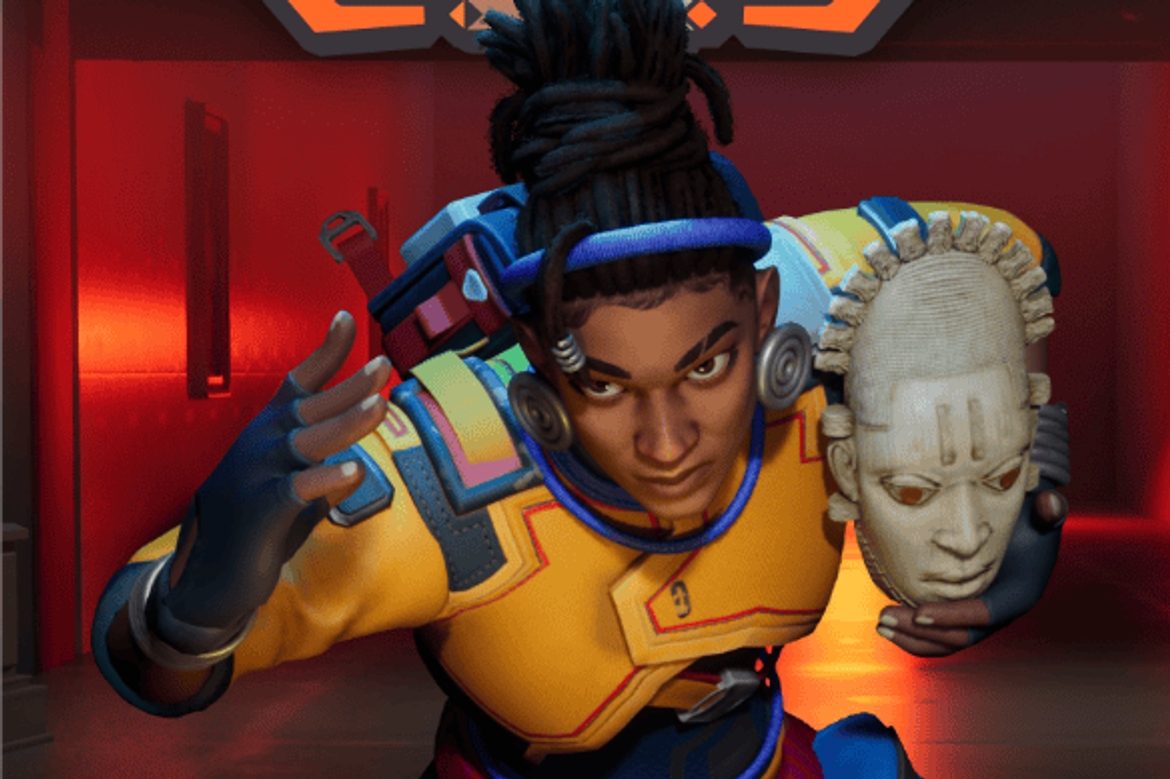
What happens when a South African video game challenges centuries of colonial storytelling? In this piece, archaeologist and paleoanthropologist Lauren Powell explores Relooted, an upcoming game by Nyamakop that turns the traditional "tomb raiding" narrative on its head. Through archaeology, museums, repatriation, and African history, she unpacks how gaming can become a powerful tool for reclaiming cultural heritage, restoring context to stolen artefacts, and reimagining who gets to tell Africa's stories.
The phenomenon of AI Cannibalism, technically known as Model Collapse, refers to a degenerative process that occurs when generative artificial intelligence models begin to be predominantly trained on data produced by other AIs. This feedback loop creates a "curse of recursion," where the nuances of original human information are lost, resulting in a convergence towards a simplified, homogeneous, and often hallucination-filled reality.

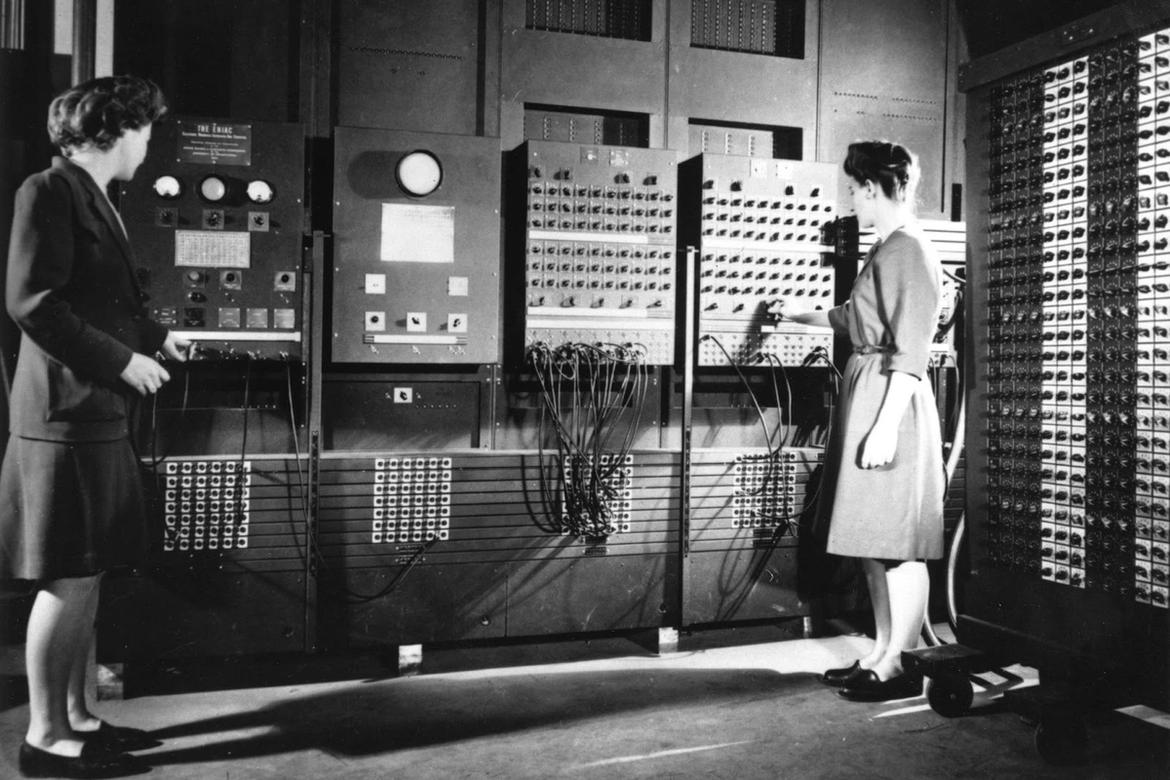
The industry prides itself on being fast-paced, proliferating new ideas and constantly shifting, yet it stays rooted in decades-old biases. In this piece I wanted to highlight the women whom I wasn't taught about, connect their absence in history books to present ideologies, and touch on the link between TFGBV (tech-facilitated gender-based violence), gender norms and misogyny.
Join us in building digital solutions as a foundation for lasting change.