Monday, June 1, 2026
Nyamakop’s Relooted: Tomb Raider but make it Decolonial, a game review on taking back Africa's artefacts


Author’s Note: From Lauren Powell, Archaeologist, Paleoanthropologist & Digital Anthropologist
A mouthful of titles but: An archaeologist is someone who spends their time analysing objects left behind by humans who lived before us. A paleoanthropologist is a long word for someone who studies people from the past. I am both. I am also a coloured woman from Cape Town who has been passionate about the past since the age of nine. I was privileged enough to do an undergraduate degree in Archaeology, and then further specialised in topics such as human migration & admixture, as well as primate hybridisation, during my post-graduate degrees.
The aim of these pieces is to highlight the ways we use what we know about our own history to enhance and highlight the benefits of this digital revolution, as well as mitigate some of its harms. Our history, our humanness, and our heritage, are deeply woven into how we show up and innovate.
Nyamakop’s Relooted: Tomb Raider but make it Decolonial.
Take it from me, a tomb raider herself. Jokes, I’ve never raided a tomb, but I am an archaeologist.
In the wake of Africa Day, we thought we should highlight a brilliant African game, that in turn, highlights brilliant African made objects through time.
The announcement for Nyamakop’s ‘Relooted’ game rippled through my very academic-heavy LinkedIn a couple of months ago. I was one of the many excited archaeologists (or anyone interested in historical artefacts) that shared the post. The relevance of this game runs so deep, and I’m here with a shovel to expose it, one soil layer at a time.
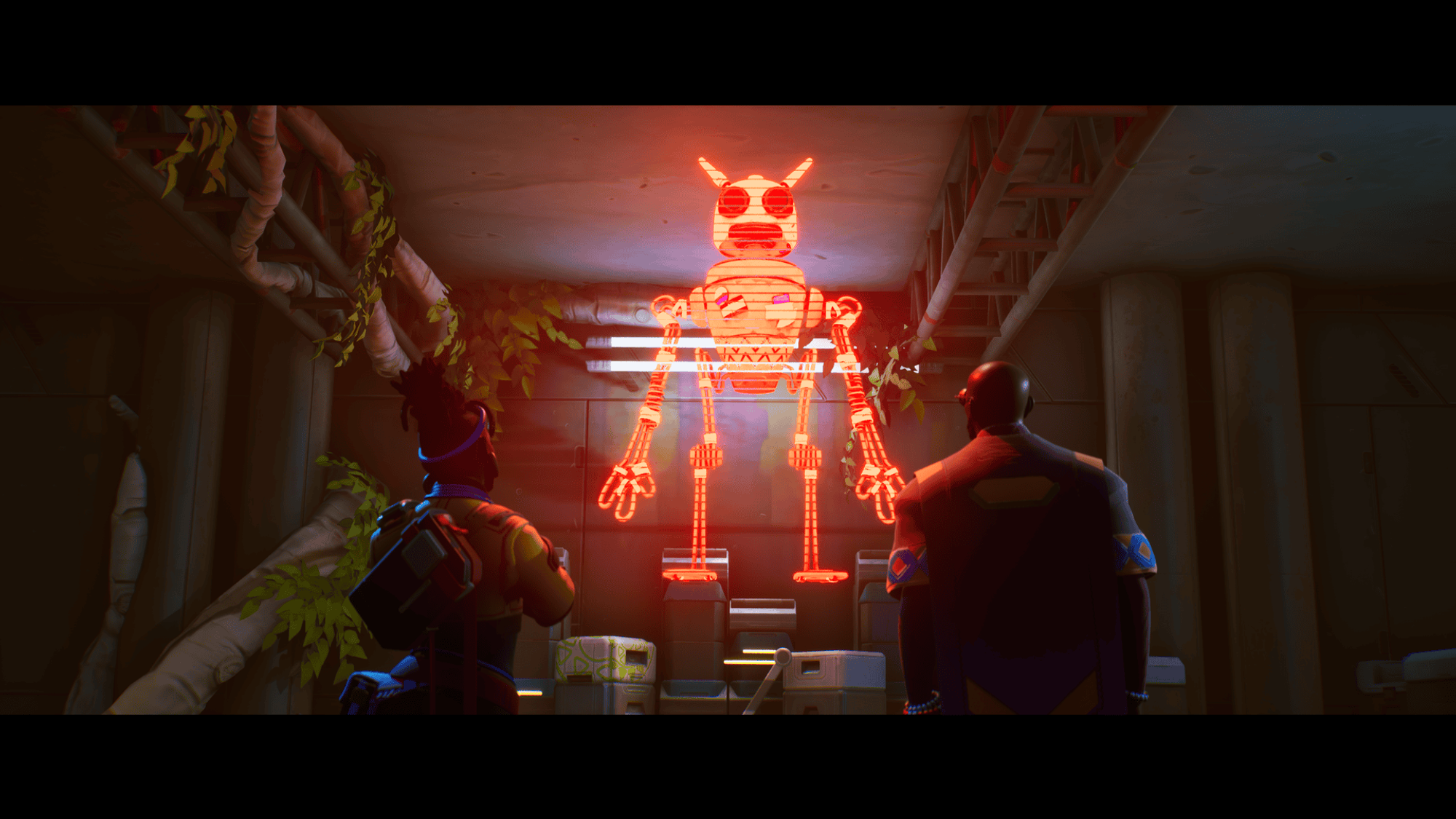
Soil Layer One (Humus): Swinging From Vines In Tiny Shorts - hot but not easily replicable
Humus is the very first layer of soil you see and feel. It can be soft, unassuming, and something you encounter everyday. It’s like the sweet icing that covers the cake except it’s a product of something decaying.
Something about the act of stealing artefacts had me reminiscing about the game and movie Tomb Raider. I thoroughly enjoyed dressing up as Lara Croft on Halloween. However, the game turned movie: Tomb Raider had questionable ethics. The “Villians” in the narrative would hire local men, arm them with weapons, and make them do all the labour - Coloniser 101. Most of these movies start with mysticism, a story of a brilliant civilisation who built great things and understood intricate mathematics, engineering, and physics - understood things we do not understand today. The protagonist (Lara Croft) has an emotional attachment to anything ‘magical and ancient’ that her late-father showed interest in. She is urged to pluck it from its place of origin, in order to keep it safe from an evil but handsome antagonist who will sell it on the black market. Therefore saving the world from bad-intentioned people, who would use this magical object to become all powerful. Not too different from Indiana Jones (The other archaeologist/explorer).
I still love watching Tomb Raider, I wish I was Lara Croft. However, it was not the reason for my interest in archaeology, but who wouldn't want to swing from a vine inside a temple and shoot at villains with silver and black 9mm pistols?
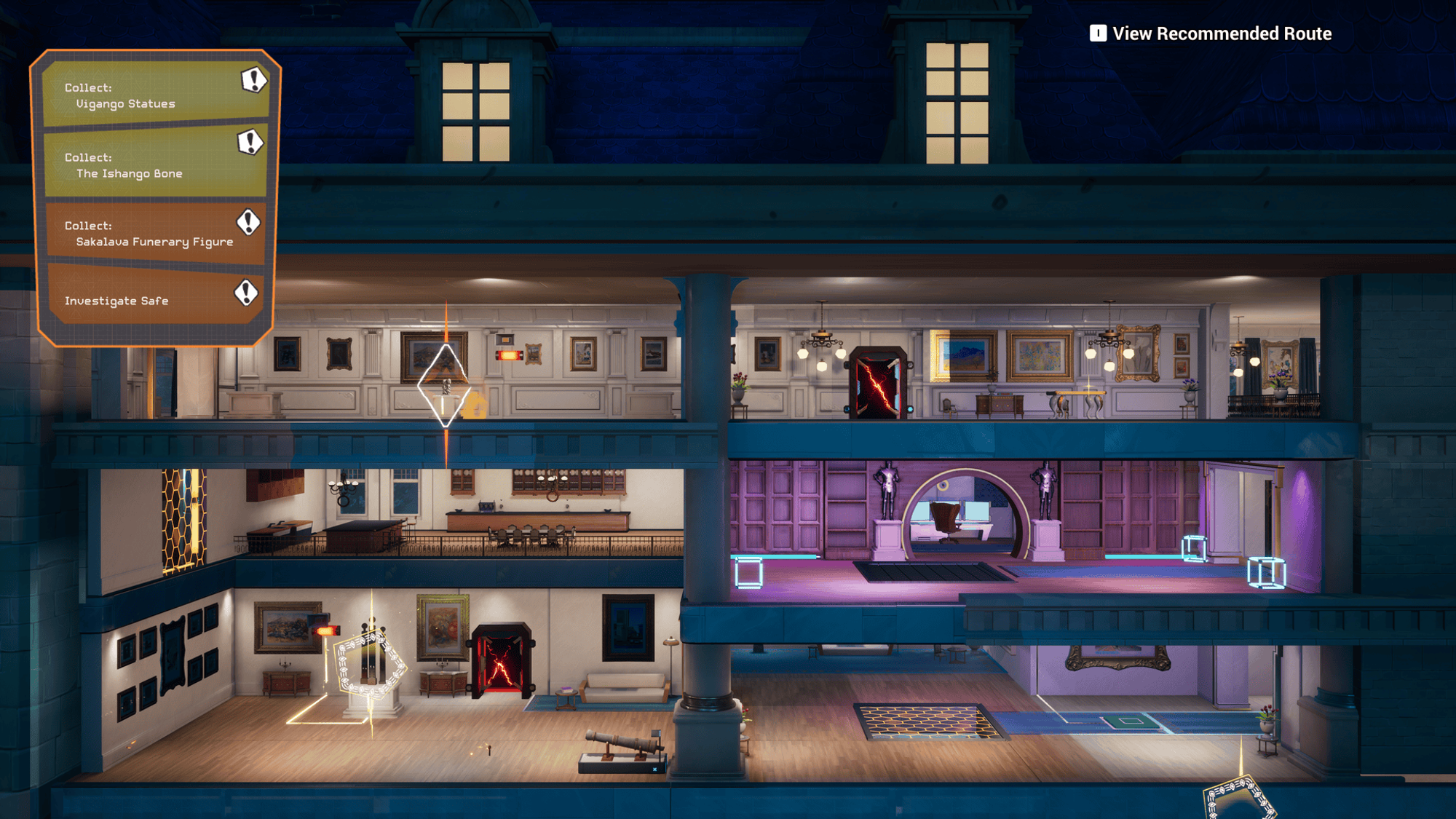
Soil Layer Two (Topsoil): The Issue of Magical Objects & Museums
Topsoil is where a lot of the nutrients live. It’s a layer of soil that is a mix of organic materials and smaller bits of weathered rock. A combination of old things and new things. Think of this layer as the layer which feeds society knowledge, the way this layer feeds nutrients to our plants. There is constant cognitive dissonance between brilliant ancient civilisations, the subsequent objects that they made and their descendents. In more straightforward terms, we are quick to divorce the objects we gawk at in museums with wonder, and the people who made them. In archaeology, we are taught that context is everything. As we excavate beneath the ground, we are destroying the context and clues that surround whatever fossil or artefact we find. So we are taught to intricately record every 10cm of soil. From the colour and texture, to the moisture and roughness of soil. We are also expected to have read the research about who lived in the location, during which time period, which animals were around, and what the climate was like. Like I said, context.
In other words, the story is never really about the object itself, the story worth telling is the context. The story is really about: The humans that made it, the artistry, intention, what it was used for, its cultural and spiritual importance.
But because museums historically work off of the old habit of presenting “exotic” pieces from cultures from a far, there is a lack of context, storytelling, and engaging in a narrative. This is why museums have started to lose public engagement, traction, and interest. Some of them reveal the treasure without telling us about the tale. We’ve lost context and understanding of the people who made the “treasure”, and their descendents.
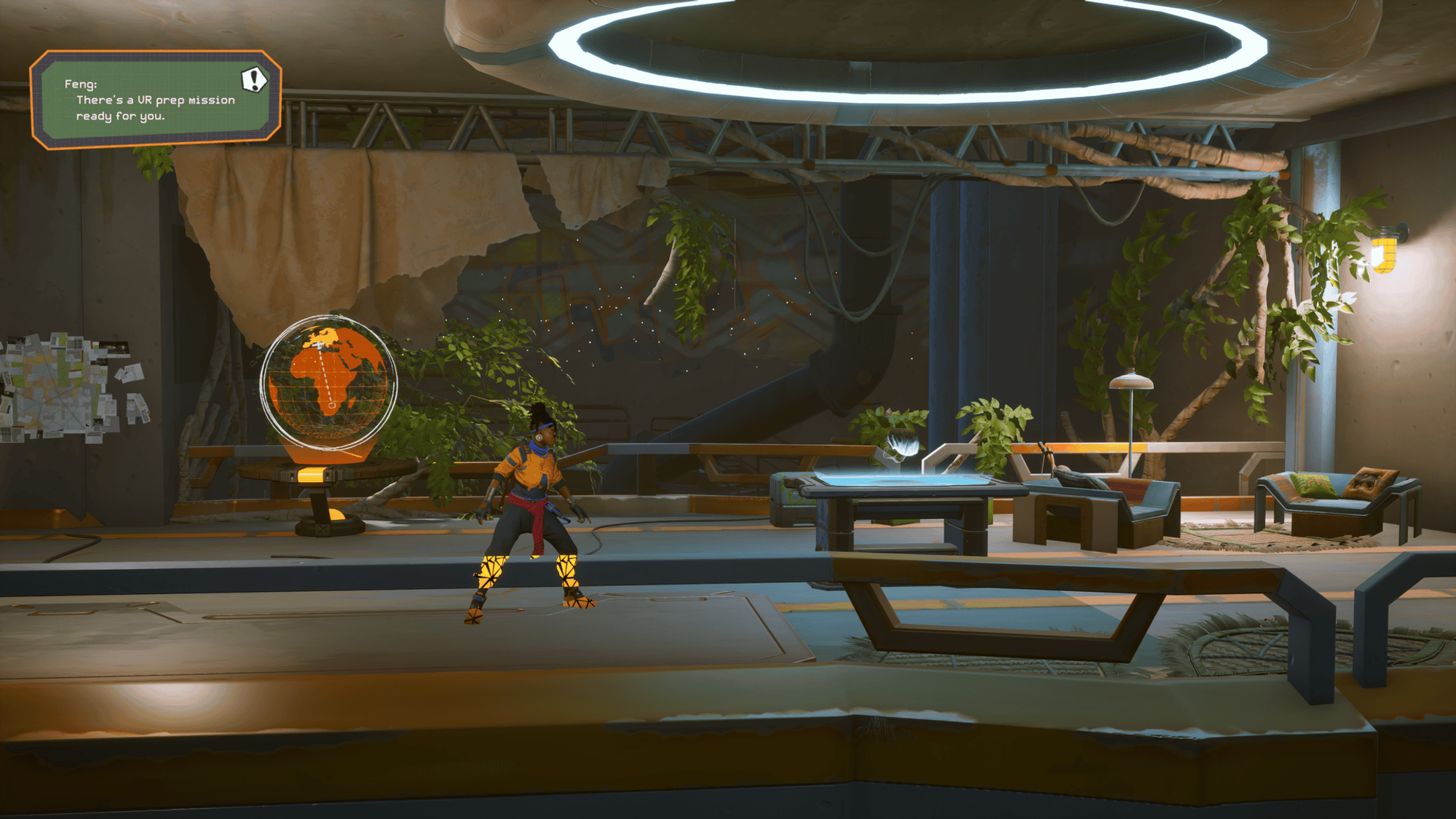
Soil Layer Three (Subsoil): How is a game like Relooted relevant to Museums & Tomb Raider?
The subsoil layer is the layer that stores minerals and moisture reserves for deep rooted trees. It acts as a firm and stable foundation for the things we build.
Relooted is set in the futuristic version of a South African city called Johannesburg. It creates cultural continuity by stitching together the importance of the object into both present day culture and historical culture. This game boasts 70 objects to recover. Relooted approaches the topic of repatriation in a way that creates community: All the members that become a part of your team are differently skilled and are equally essential to each mission. This is something that we struggle to practice in academia. The official institution of knowledge making and storing struggles with inter-disciplinary practice. Relooted makes sure that we understand, in order to be successful, we have to work together, and to see the value in those differences. You see, if the grandmother of the group doesn't impart the knowledge of why the cultural object is important, and your tech brother isn’t there to open the electrically operated vault door, then the “why” and the “how” are missing.
Soil Layer Four (Regolith): Re-engineering History
The Regolith soil layer is a layer where the tree roots don’t reach, but where the subsoil gets its minerals from. We can think of this layer as a deeper unseen intermediary layer that contributes to why we think of African history the way we currently do.
Historically, games, archaeologists, and museums approach the extraction of a cultural object as a “discovery”. So what happens when today, a society surviving the ruins and aftermath of colonialism and imperialism, creates a game with a reversed story? Relooted.
Relooted reverse-engineers our taught or conditioned perspectives by making the museum the point of extraction, creating a sense of achievement when the objects are finally placed where they belong, all while educating the player on the cultural importance of the object. Heist movies in general, will encourage you to want the heist members to win. Why? Well because we all love a Robin Hood theme, an underdog against The Man. But this game twists the general “heist” mechanics into something more moral. We aren’t stealing artefacts, we aren’t looting. We are stealing them back, we are repatriating them to where they actually belong. We are (re)looting. The “thief” becomes the restorer, and the cultural object comes alive and communal instead of a static piece behind cold glass. This changes the narrative in more ways than one.
Relooted helps us shift our thinking of restitution and repatriation as only a diplomatic issue into a lived emotional and strategic experience.
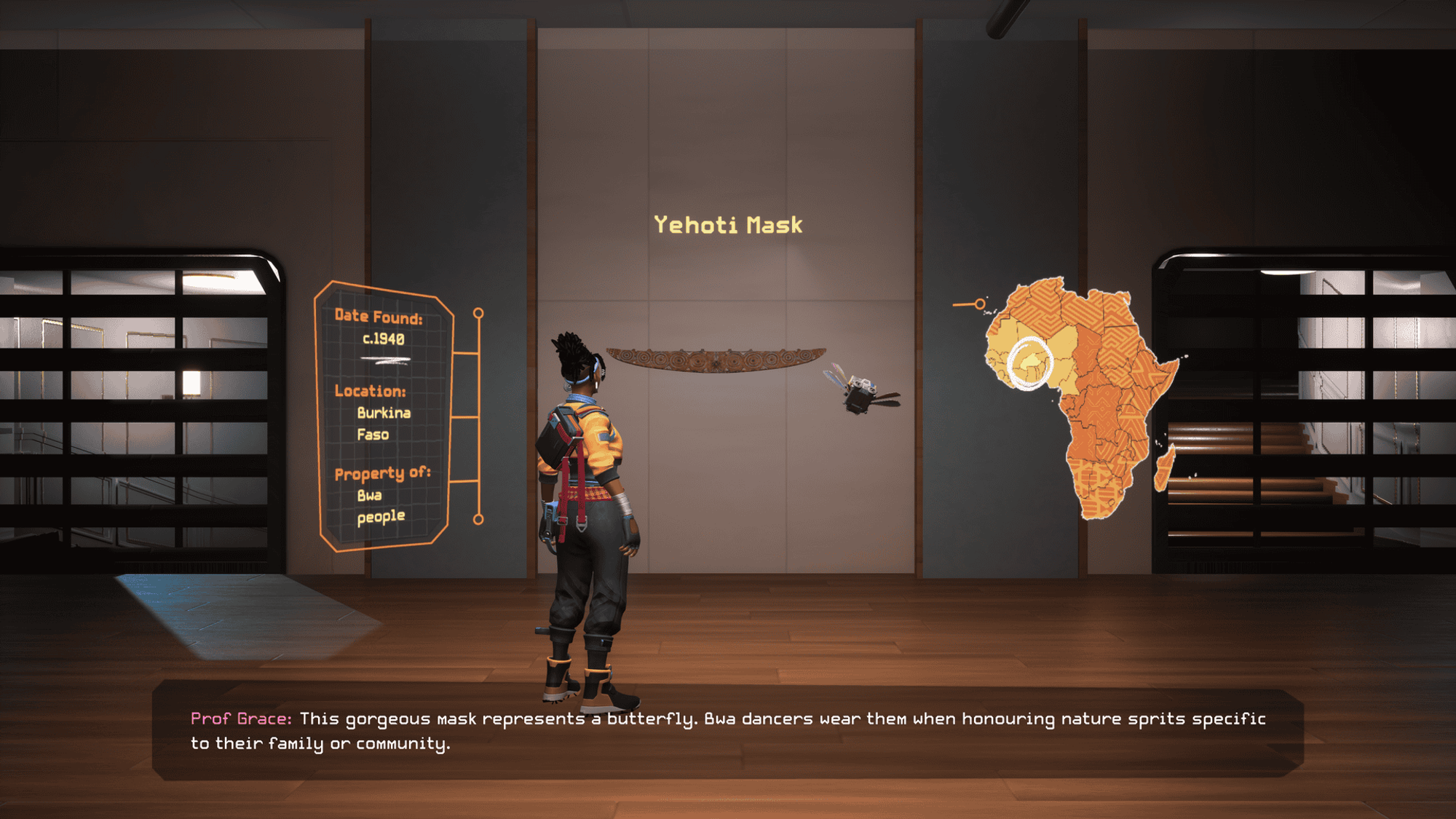
Soil Layer Five (Bedrock): Relooting Our Roots
Right at the bottom, the deepest layer of the earth’s crust, is the bedrock layer. It is foundational, intact, solid rock that serves as the parent material to the soil layers above it. This is the baseline of memory, of what Relooted really attempts to take back. Re-looting our history, our stories, and our roots.
This game exposes its players to information about how complex and diversely cultured Africa has been and still is today. I happened to meet Nyamakop’s Video Game Producer, Sithe Ncube, at the Games For Change SDG Summit in Kenya. She asked me what has been the most exciting thing to discover in Africa as an archaeologist, and I didn’t have a particularly exciting answer. Because the answer was: Everything. Studying archaeology in an African context meant debunking the colonial brainwashing of “The Dark Continent”. Evidence of large and complex societies existed long before Bartholemus Dias got onto a ship to “discover” the tip of Africa. The blatant narrative of “Europeans brought us roads and religion” has successfully been swallowed and regurgitated through the past 400 years or so. It has been difficult to psychologically break free from these harmful narratives (and still they persist) as a society both within Africa and outside of it. This game excites me because it makes knowledge of African history more accessible and fun.
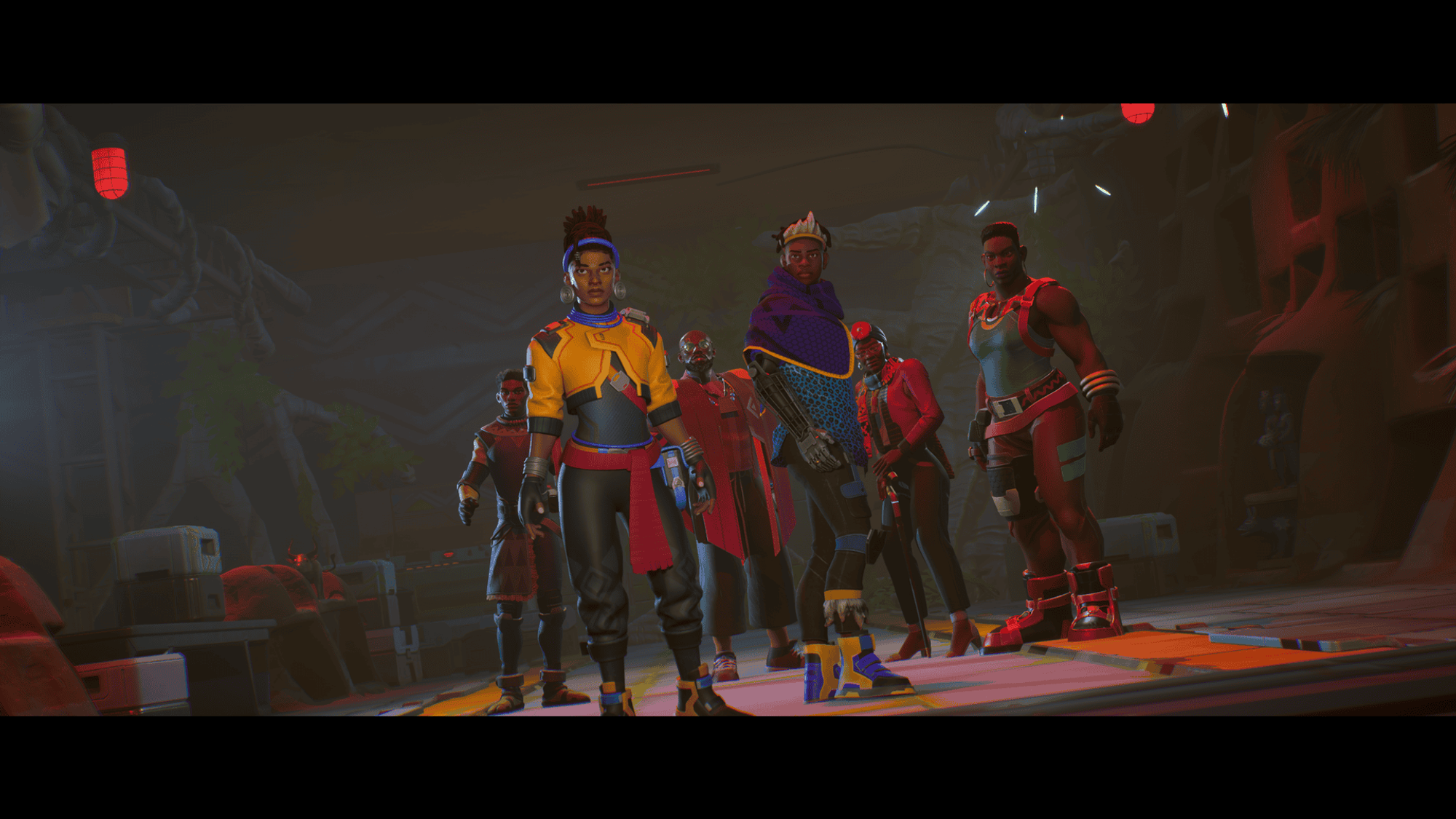
Relooted is an example of reclaiming agency and authorship over African history. In the past, all of Africa’s history whether through archaeology, anthropology, or ethnography, were interpreted externally. Our history was classified, measured, catalogued, displayed, and narrated through colonial frameworks. This game is a beautiful example of an act of resistance. It not only calls your attention to historical artefacts, it re-writes cyberpunk in an afrocentric fashion.
Curious about how history, culture, and technology can come together to build safer platforms — or want to explore how Citizen Code can support your work?
📩 Reach out to us at info@citizencode.co.za
We love meaningful conversations and co-creating tech that remembers, protects, and empowers.
Share this
Blog
Latest read.
What happens when a South African video game challenges centuries of colonial storytelling? In this piece, archaeologist and paleoanthropologist Lauren Powell explores Relooted, an upcoming game by Nyamakop that turns the traditional "tomb raiding" narrative on its head. Through archaeology, museums, repatriation, and African history, she unpacks how gaming can become a powerful tool for reclaiming cultural heritage, restoring context to stolen artefacts, and reimagining who gets to tell Africa's stories.

The phenomenon of AI Cannibalism, technically known as Model Collapse, refers to a degenerative process that occurs when generative artificial intelligence models begin to be predominantly trained on data produced by other AIs. This feedback loop creates a "curse of recursion," where the nuances of original human information are lost, resulting in a convergence towards a simplified, homogeneous, and often hallucination-filled reality.

The industry prides itself on being fast-paced, proliferating new ideas and constantly shifting, yet it stays rooted in decades-old biases. In this piece I wanted to highlight the women whom I wasn't taught about, connect their absence in history books to present ideologies, and touch on the link between TFGBV (tech-facilitated gender-based violence), gender norms and misogyny.
Join us in building digital solutions as a foundation for lasting change.