What we built, what we learned, and what’s next.
In the rush toward chatbots and AI platforms, many social impact organisations are asking the same question: why invest in websites anymore? As budgets tighten and apps like WhatsApp, Moya, and ChatGPT become the internet for millions, it’s easy to assume the web has lost relevance. But in the Global South, the web remains the foundation for trust, credibility, and accessibility — and the data backbone for every AI system shaping our digital world. Lisa Adams, technologist and founder of Citizen Code, an African-based collective building inclusive digital products for social impact, argues that the web is far from obsolete. Drawing from work with organisations like Girl Effect and UNICEF, she reveals how well-maintained websites continue to anchor digital ecosystems in health, education, and gender-based violence prevention. From AI-enabled chatbots like Big Sis and Wazzii, to low-data web platforms such as Jikizinto and Tukisonga, Lisa demonstrates why accessible, context-driven design is critical for digital equity in emerging markets. In her words, “Chat is the distribution layer, but web is the anchor — it’s where truth lives.”


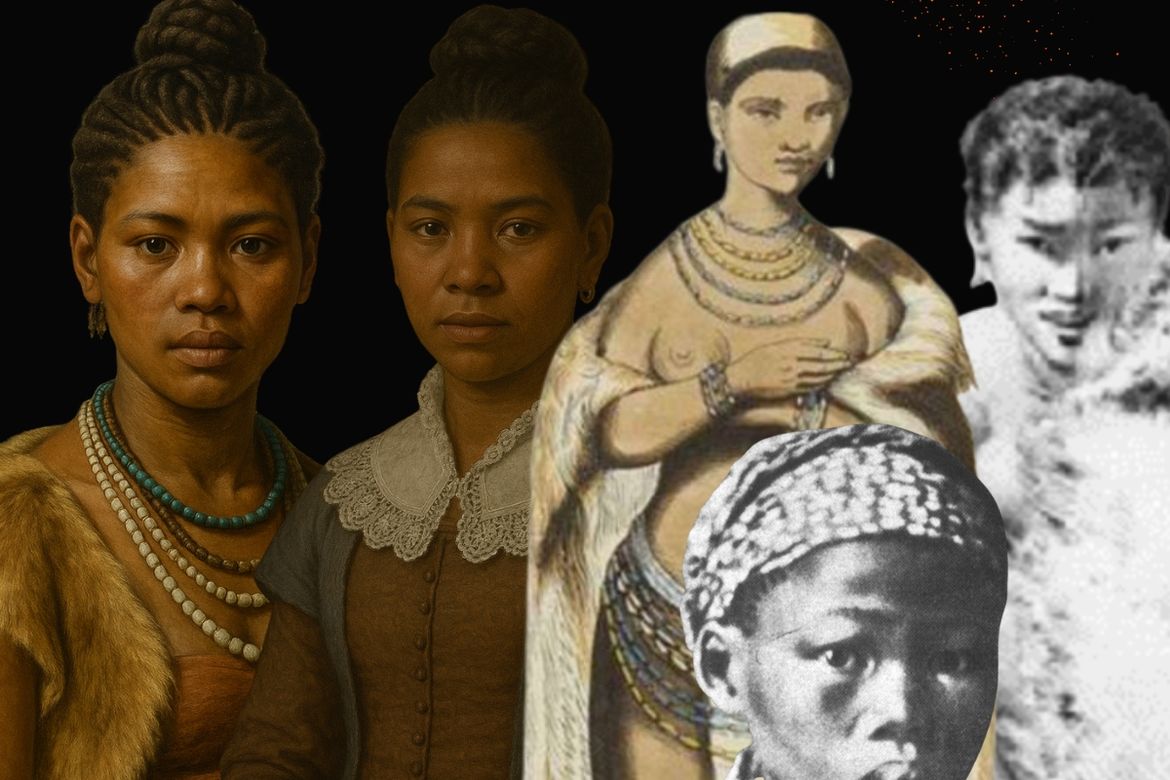
"As technology advances so too do the risks of erasure, paralleled by the opportunities for positive change. Technology is but an extension of society, both its ills and its hopeful resilience. If we replicate existing patterns of silencing, we risk encoding Krotoa’s erasure into our algorithms and platforms — enabling new forms of technology-facilitated gender-based violence."

Exploring the evolution of human technology—from stone tools to chatbots—and how our inventions reflect, shape, and challenge our society.

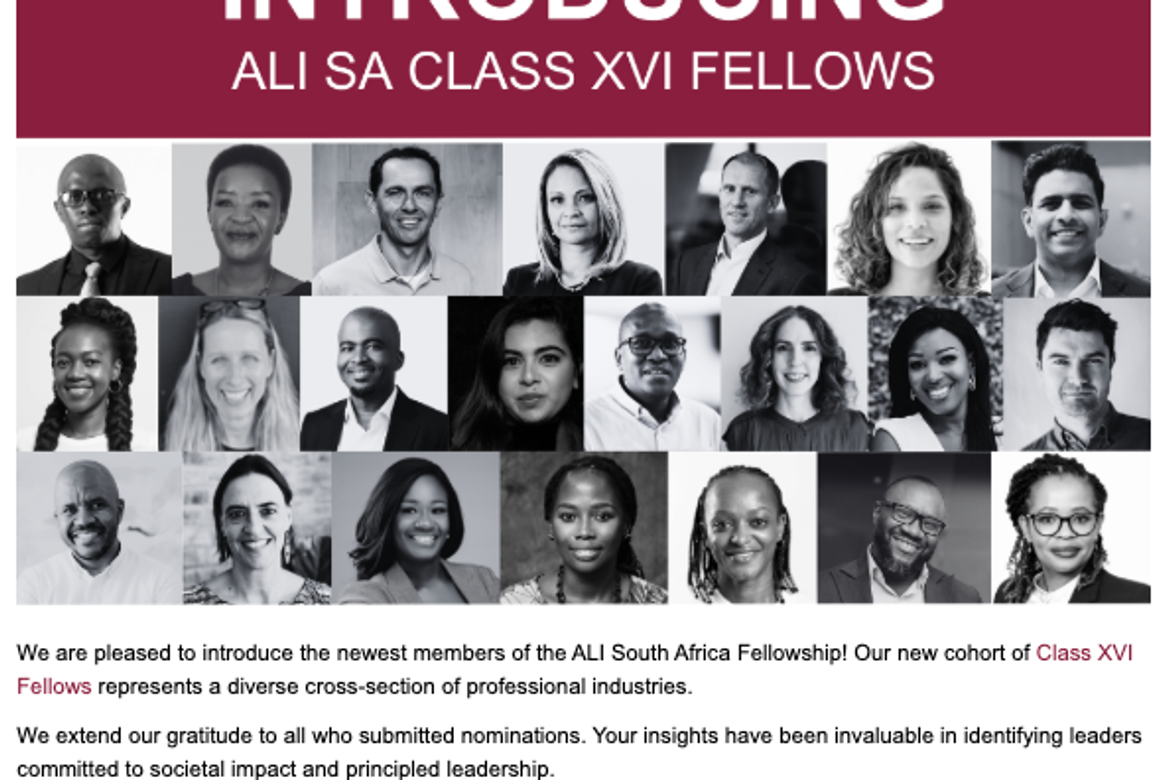
I did not arrive at leadership through a traditional academic route. My path into technology and social impact was shaped by survival, constraint, and necessity. Growing up on the Cape Flats, the systems I learned to fix first were not abstract. They were broken computers, unsafe environments, and fragile moments of refuge. Being selected as one of 22 Fellows of the African Leadership Institute is deeply affirming, not because of the title, but because it recognises alternative pathways to leadership. This piece reflects on how lived experience, practical application, and building under constraint shaped my work, and why bridging practice into academic and institutional spaces is essential for the future of African leadership.
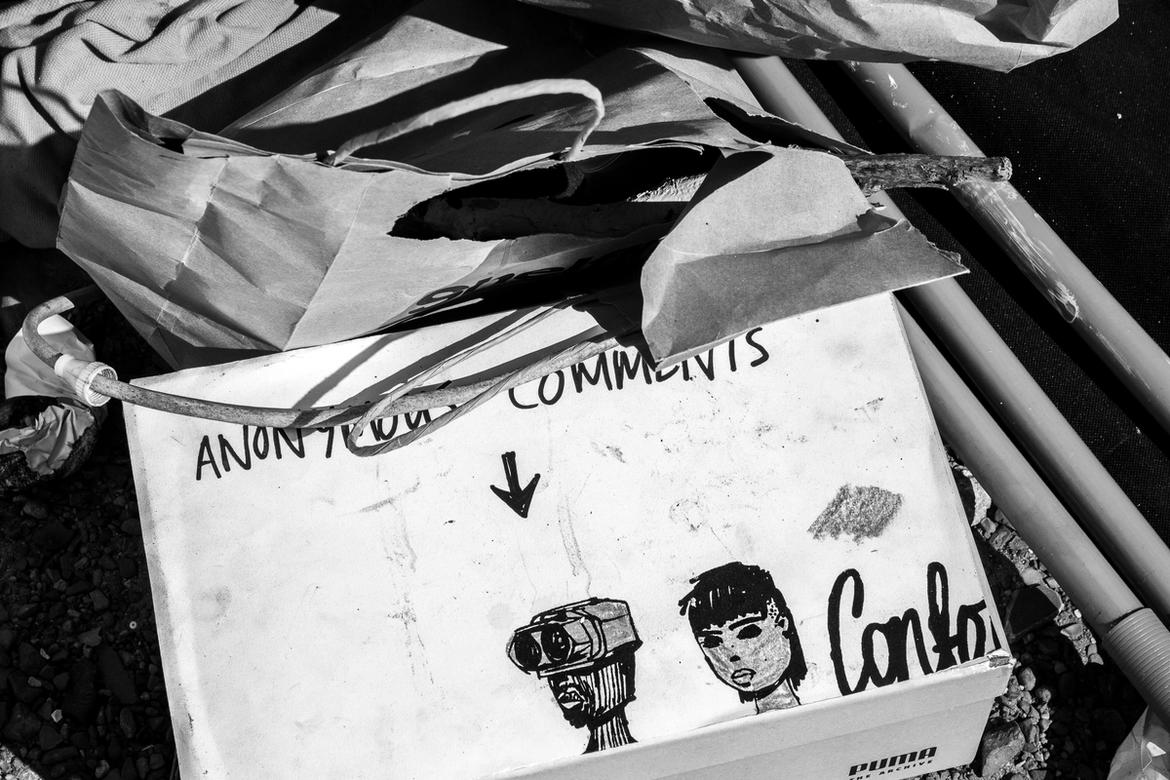
At a school meeting with my teenage daughter, I listened to a digital safety framework called the “Billboard Test,” used to guide young people’s online behaviour. As a technologist designing youth digital platforms, I unpack why fear-based approaches to social media miss how young people actually live, learn, and express themselves online.
In the rush toward chatbots and AI platforms, many social impact organisations are asking the same question: why invest in websites anymore? As budgets tighten and apps like WhatsApp, Moya, and ChatGPT become the internet for millions, it’s easy to assume the web has lost relevance. But in the Global South, the web remains the foundation for trust, credibility, and accessibility — and the data backbone for every AI system shaping our digital world. Lisa Adams, technologist and founder of Citizen Code, an African-based collective building inclusive digital products for social impact, argues that the web is far from obsolete. Drawing from work with organisations like Girl Effect and UNICEF, she reveals how well-maintained websites continue to anchor digital ecosystems in health, education, and gender-based violence prevention. From AI-enabled chatbots like Big Sis and Wazzii, to low-data web platforms such as Jikizinto and Tukisonga, Lisa demonstrates why accessible, context-driven design is critical for digital equity in emerging markets. In her words, “Chat is the distribution layer, but web is the anchor — it’s where truth lives.”
"As technology advances so too do the risks of erasure, paralleled by the opportunities for positive change. Technology is but an extension of society, both its ills and its hopeful resilience. If we replicate existing patterns of silencing, we risk encoding Krotoa’s erasure into our algorithms and platforms — enabling new forms of technology-facilitated gender-based violence."
Exploring the evolution of human technology—from stone tools to chatbots—and how our inventions reflect, shape, and challenge our society.
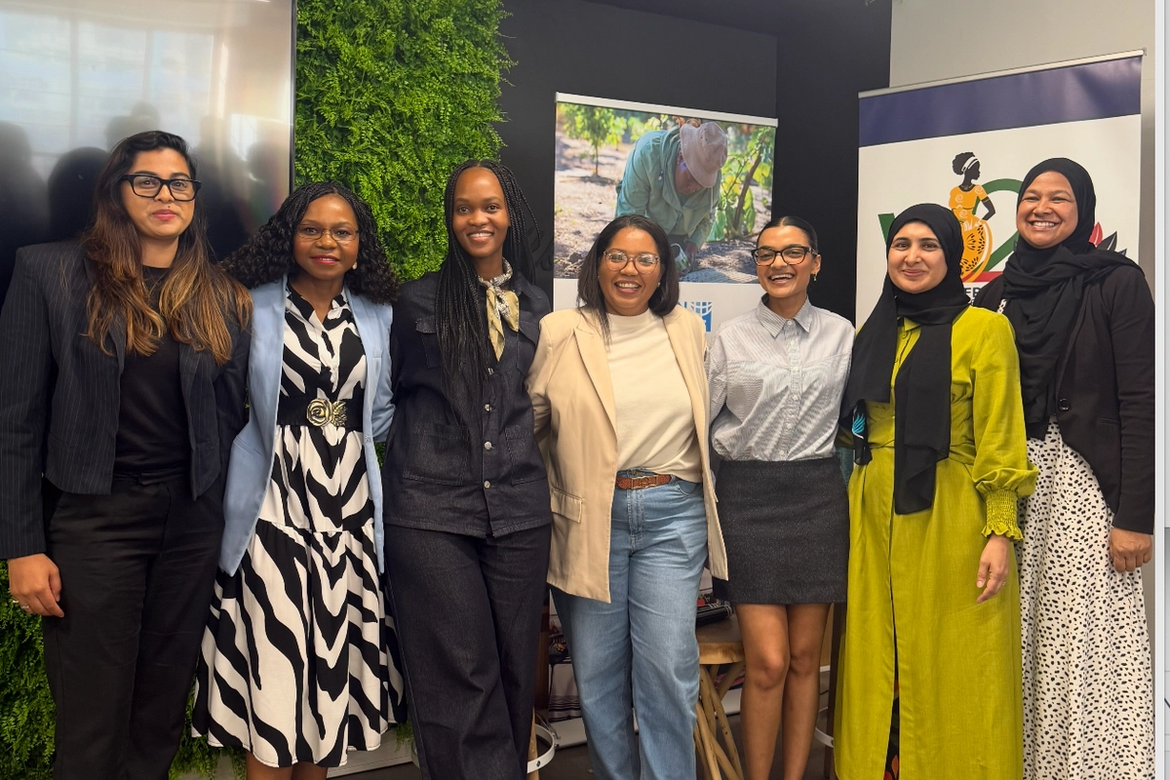
At the W20 panel ahead of the G20, I represented Civil Society in the conversation on the Future of STEM. It was a space of honest reflection, but also a reminder that progress is not just about getting women into the room. True inclusion means women leading, defining, and shaping technology — not only being counted in statistics.
Technology is not just science — it’s art. Citizen Code shares how our story shapes inclusive innovation for Africa and beyond.
What sets us apart.
Partners we’ve collaborated with.
Progress is a collective journey. Let’s move forward together.